
Author name: Renee C. Gray

Meet Renee C. Gray, founder of Hardware Store Marketing Experts (HSME), with over 25 years of experience helping local hardware stores thrive. A marketing strategist and industry leader, Renee specializes in bridging tradition and technology to deliver practical, authentic solutions. Discover how Renee's expertise can elevate your hardware store's success!

Why Hardware Store Owners Should Invest in Their Own Domain Part 1 

Why Hardware Store Owners Should Invest in Their Own Domain Part 1  In today’s digital age, your email address is more than just a way to communicate—it’s a key part of your brand’s identity. If you’re still using a free email service like Gmail or Hotmail to reach out to your customers, it’s time to reconsider. Not only does this look less professional, but recent changes by Google and Hotmail have made it clear that using these services for bulk email marketing is no longer viable.  Major Changes to Gmail and Hotmail in 2024 This year, Google and Hotmail implemented significant updates that impact how businesses can use their platforms for email marketing. These changes are aimed at reducing spam and improving email security, but they also mean that sending bulk emails through a Gmail or Hotmail account could result in your messages being marked as spam—or worse, not delivered at all. In the past, we wouldn’t have recommended using a free email service for bulk email campaigns, and now it’s simply not an option. These updates reinforce the importance of using a professional email client, like Constant Contact or MailChimp, to ensure compliance with email marketing regulations and improve deliverability.  The Professional Advantage of Owning Your Own Domain Investing in your own domain name for your hardware store’s email address is one of the best decisions you can make for your business. Here’s why: 1. Professionalism: A domain-specific email address (like info@yourstore.com) immediately conveys that your business is established and credible. It reassures customers that they’re dealing with a legitimate business. 2. Branding: Every time you send an email from your custom domain, you’re reinforcing your brand. It keeps your store’s name in front of your customers, which is essential for building brand recognition and loyalty. 3. Trust: Customers are more likely to open and engage with emails from a domain-specific address than a generic Gmail or Hotmail account. It signals that your business takes communication seriously. 4. Compliance and Security: Using an email client like Constant Contact or MailChimp not only ensures your emails are delivered but also helps you stay compliant with regulations like CAN-SPAM. These platforms provide tools to manage your mailing lists, handle unsubscribes, and track email performance, which are crucial for successful email marketing. 5. Enhanced Security with DKIM: Implementing DKIM (DomainKeys Identified Mail) is another layer of security that helps verify that your emails are actually coming from you, and haven’t been tampered with during transmission. It’s a crucial step in protecting your brand’s reputation and ensuring that your emails reach your customers’ inboxes. DKIM also boosts the trust factor, as customers and email providers recognize your emails as legitimate and secure.  Need Help with Email Marketing? Transitioning to a domain-specific email and setting up a proper email marketing strategy can seem daunting, but it doesn’t have to be. If you need help with any aspect of email marketing—from setting up your domain to creating and managing campaigns—I’m here to help. Investing in your own domain and using a professional email marketing service isn’t just a smart move; it’s essential for maintaining the trust and loyalty of your customers in today’s competitive market. Don’t let these recent changes catch you off guard—take the steps now to ensure your emails are effective, compliant, and reflective of your brand’s professionalism. Thank you for reading! We hope this post inspires you to see new opportunities to strengthen your marketing strategy. At HSME, we’re here to support local hardware stores in navigating today’s marketing challenges and helping you connect with your community, both online and in-store.  If you have any questions or want to learn more about how we can support your business, feel free to reach out to us in any one of our channels or send us a message. Don’t miss out on more tips and strategies—subscribe to our newsletter for the latest updates, or follow us on Facebook, Instagram or Linkedin for our more marketing tips and insights for hardware stores. What’s your biggest takeaway from today’s post? Share your thoughts in the comments below. We’d love to hear from you! About Renee C Gray and HSMERenee C Gray is the founder of Hardware Store Marketing Experts (HSME) with over 25 years of experience helping local hardware stores thrive in the digital age. Dedicated to bridging the gap between tradition and technology, Renee understands the unique challenges of small business owners and provides practical, authentic marketing solutions that resonate with your community.  

Why Hardware Store Owners Should Invest in Their Own Domain Part 1  Read More »
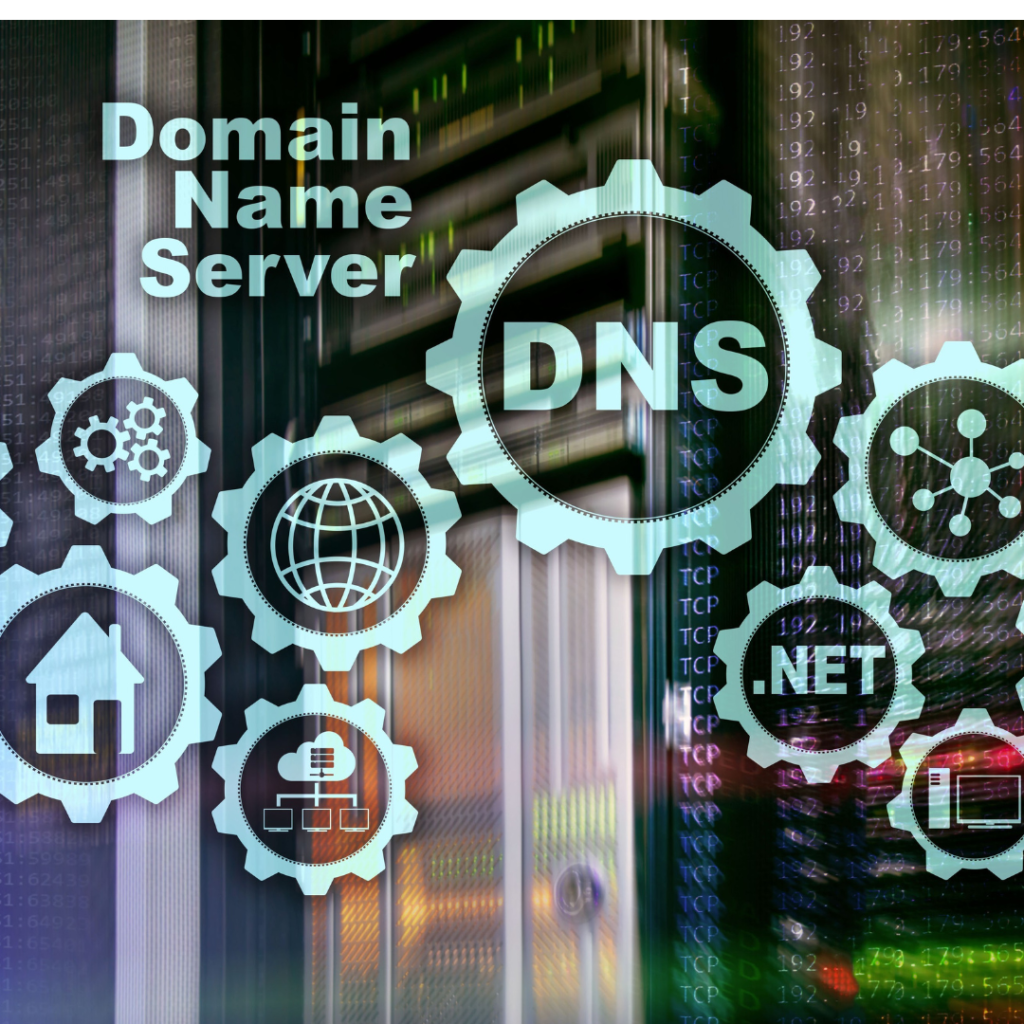
Illustration of a gear icon symbolizing DNS settings configuration. The gear represents the technical aspect of setting up domain name system (DNS) records, such as SPF, DKIM, and DMARC, to ensure secure email authentication and enhance deliverability for professional email addresses associated with a hardware store's custom domain.

How to Buy Your Own Domain and Set Up Professional Email for Your Hardware Store Part 2

How to Buy Your Own Domain and Set Up Professional Email for Your Hardware Store Part 2 Now that we’ve talked about the importance of owning your own domain for email marketing, let’s dive into the steps you need to take to get your domain and email set up. This process is easier than you might think and will pay off in the long run by boosting your store’s professionalism, brand recognition, and customer trust. Step 1: Choose and Purchase Your Domain Name 1. Brainstorm Your Domain Name: Start by choosing a domain name that represents your business. Ideally, it should be your store name or a close variation that’s easy to remember and spell. For example, if your store is named “Smith’s Hardware,” consider domains like smithshardware.com, smithshardwarestore.com, or smithshardwareonline.com. 2. Check Availability: Use a domain registrar like GoDaddy, Namecheap, or Google Domains to check if your desired domain name is available. These platforms usually suggest alternatives if your first choice is taken. 3. Register Your Domain: Once you’ve found an available domain that you like, go ahead and register it. Domain prices typically range from $10 to $20 per year, depending on the domain extension (.com, .net, .store, etc.). Most registrars offer options to purchase the domain for multiple years at a time, which can be convenient and might save you money. 4. Consider Domain Privacy Protection: When you register a domain, your personal information (name, address, phone number) is listed in a public database called WHOIS. To keep your information private, opt for domain privacy protection, which most registrars offer for a small additional fee.  Step 2: Set Up Your Professional Email 1. Choose an Email Hosting Provider: Once your domain is registered, you’ll need an email hosting service to create and manage your email accounts. Popular options include Google Workspace (formerly G Suite), Microsoft 365, and Zoho Mail. These services provide secure, reliable email hosting, as well as additional tools like cloud storage, calendars, and document collaboration. 2. Create Your Email Accounts: After signing up for an email hosting service, you can create your email accounts. Common choices for small businesses are info@yourstore.com, sales@yourstore.com, or support@yourstore.com. You might also want to create individual accounts for key team members (e.g., john@yourstore.com). 3. Configure Email Authentication (SPF, DKIM, DMARC): To ensure your emails are delivered securely and avoid being marked as spam, configure SPF, DKIM, and DMARC records. These are essential for email authentication and help protect your domain from being spoofed. Most email hosting providers offer step-by-step guides to set these up, or you can ask for help from your domain registrar’s support team. 4. Test Your Email Setup: Once your email accounts are set up, send test emails to different email services (Gmail, Yahoo, etc.) to ensure they’re being delivered to the inbox and not the spam folder. This is also a good time to check that your DKIM and SPF settings are correctly configured.  Step 3: Integrate with an Email Marketing Platform 1. Choose an Email Marketing Service: If you plan to send marketing emails, newsletters, or promotions, integrate your new email address with an email marketing platform like Constant Contact, MailChimp, or Sendinblue. These services provide tools for creating professional-looking emails, managing subscriber lists, and tracking campaign performance. 2. Import Your Subscriber List: Once your account is set up, import your existing customer email list. Make sure to clean the list before importing it—remove any outdated or invalid email addresses to avoid deliverability issues. 3. Design Your Email Templates: Use the platform’s template builder to create email designs that match your store’s branding. Save these templates for future campaigns to ensure consistency. 4. Start Your First Campaign: With everything in place, you’re ready to send your first campaign. Schedule it for the optimal time when your customers are most likely to open and engage with your emails.  Need Assistance? Setting up your domain and email might seem a bit overwhelming, but taking these steps will significantly enhance your store’s professionalism and customer communication. If you need help at any stage of the process—from choosing the right domain name to setting up your email marketing—don’t hesitate to reach out. I’m here to help you make the transition as smooth as possible. Thank you for reading! We hope this post inspires you to see new opportunities to strengthen your marketing strategy. At HSME, we’re here to support local hardware stores in navigating today’s marketing challenges and helping you connect with your community, both online and in-store.  If you have any questions or want to learn more about how we can support your business, feel free to reach out to us in any one of our channels or send us a message. Don’t miss out on more tips and strategies—subscribe to our newsletter for the latest updates, or follow us on Facebook, Instagram or Linkedin for our more marketing tips and insights for hardware stores. What’s your biggest takeaway from today’s post? Share your thoughts in the comments below. We’d love to hear from you! About Renee C Gray and HSMERenee C Gray is the founder of Hardware Store Marketing Experts (HSME) with over 25 years of experience helping local hardware stores thrive in the digital age. Dedicated to bridging the gap between tradition and technology, Renee understands the unique challenges of small business owners and provides practical, authentic marketing solutions that resonate with your community.

How to Buy Your Own Domain and Set Up Professional Email for Your Hardware Store Part 2 Read More »

The Power of One Minute: How Quick Videos Can Strengthen Your Hardware Store’s Connection with Customers

The Power of One Minute: How Quick Videos Can Strengthen Your Hardware Store’s Connection with Customers In the world of hardware, there’s no shortage of places to buy cleaning supplies, lumber, nuts, and bolts. But when customers walk into your store, they’re not just there for the products—they’re there for you, your team, and the experience you’ve created. Your store’s brand isn’t just about what you sell; it’s about who you are, the values you uphold, and the team atmosphere you’ve built. That’s why people keep coming back—they feel a connection. They know, like, and trust you. And that’s something you simply can’t buy. Now imagine bringing that connection to life on social media. One-minute videos can be a powerful way to extend the warmth of your in-store atmosphere beyond your walls, reaching customers wherever they are. In just 60 seconds, you can showcase your expertise, share a tip, highlight a team member, or give a behind-the-scenes glimpse of your store. These bite-sized videos allow you to remind your customers why they shop with you—it’s not just the products, it’s the people behind them. Building Know, Like, and Trust with One-Minute Videos 1. Know: Quick videos let customers get to know you on a personal level. Whether it’s showing how you help solve a common problem or sharing a sneak peek of new products, these moments make you more than just a store—they make you a friendly face in the community. 2. Like: You’ve already earned a reputation for being friendly and helpful in-store, and video lets you extend that feeling. By showing your personality and values, your audience starts to like you—not just as a business, but as the people behind it. A quick tip or a little humor goes a long way in making people feel at home. 3. Trust: Trust is the cornerstone of any lasting customer relationship. When customers see you regularly in their social media feeds, providing value, advice, and a friendly smile, it reinforces the trust they already have in you. It’s like seeing an old friend—consistent, reliable, and always there when needed. Your Store, Your Brand, Your Connection Your brand is built on more than just what you sell—it’s built on your story, your values, and the personal connections you’ve fostered with your customers. One-minute videos are a simple yet impactful way to share that story, creating a bridge between the in-store experience and the digital world. In an age where big-box stores and online giants are just a click away, it’s your authenticity, your team, and your values that set you apart. So, don’t overthink it. Grab your phone, hit record, and let your customers see the people behind the store. Show them the friendly, knowledgeable team they know and love. Because in the end, people don’t just shop at your store because of what you sell—they shop there because of who you are. Start Sharing Today If you’ve been hesitant to dive into video, remember: it doesn’t have to be perfect—it just has to be you. Start with one-minute videos and watch how this simple strategy helps your customers feel even more connected to your brand. After all, in the world of hardware, the biggest differentiator isn’t the product—it’s the people. And that’s what makes your store truly special. Thank you for reading! We hope this post inspires you to see new opportunities to strengthen your marketing strategy. At HSME, we’re here to support local hardware stores in navigating today’s marketing challenges and helping you connect with your community, both online and in-store.  If you have any questions or want to learn more about how we can support your business, feel free to reach out to us in any one of our channels or send us a message. Don’t miss out on more tips and strategies—subscribe to our newsletter for the latest updates, or follow us on Facebook, Instagram or Linkedin for our more marketing tips and insights for hardware stores. What’s your biggest takeaway from today’s post? Share your thoughts in the comments below. We’d love to hear from you About Renee C Gray and HSMERenee C Gray is the founder of Hardware Store Marketing Experts (HSME) with over 25 years of experience helping local hardware stores thrive in the digital age. Dedicated to bridging the gap between tradition and technology, Renee understands the unique challenges of small business owners and provides practical, authentic marketing solutions that resonate with your community.

The Power of One Minute: How Quick Videos Can Strengthen Your Hardware Store’s Connection with Customers Read More »

Illustration of a heart inside a brain, symbolizing the emotional connections built through local events at hardware stores. The heart represents the bond and anticipation created with customers, while the brain highlights thoughtful planning and strategy behind hosting community events.

Building Emotional Connections with Local Events at Your Hardware Store

Building Emotional Connections with Local Events at Your Hardware Store Good morning, hardware store friends! Do you want to know one of the best ways to build a strong emotional connection with your customers? The answer is simple: host local events at your store. I recommend holding at least three to four events a year—five if you can manage it. These events don’t just bring people in; they create a bond between your store and your community that lasts all year long. Timing is Everything For those of you looking to get started, consider kicking off the spring selling season with an event in early March. If you’re in the Southwest, like I am, it’s smart to wait until after spring, around May, when grilling season is in full swing. A lot of retailers might hold a big 4th of July event, but in the Southwest, that can be tricky because of the heat—sometimes it’s better to keep things indoors. As the year goes on, think about a fall event—maybe around your store’s anniversary—and round out the year with a ladies’ night or something similar in the fourth quarter. The specific event doesn’t matter as much as its relevance to your community and how well it resonates with your store’s vibe. Why Local Events Matter So why are local events so crucial for building that emotional connection with your customers? The key reason is anticipation. When you hold events consistently, customers start to look forward to them year after year. Repeating these events sets an expectation that builds excitement and loyalty.  Each year, your event will likely grow, drawing in more people and becoming a fixture in your community. Plus, as you gain experience, both you and your staff will get better at running these events, making them more enjoyable for everyone involved. Over time, these events can become traditions—something your customers associate with your store, much like they do with friends and family traditions. And really, how great is that? Creating traditions with your customers is an invaluable way to strengthen your relationship with them. Share Your Success I’d love to hear what local events you’re holding this year. How do you make your customers feel special during these events? Drop a note in the comments—I’m always eager to exchange ideas and hear about what’s working for you. Thank you for reading! We hope this post inspires you to see new opportunities to strengthen your marketing strategy. At HSME, we’re here to support local hardware stores in navigating today’s challenges and helping you connect with your community, both online and in-store.  If you have any questions or want to learn more about how we can support your business, feel free to reach out to us in any one of our channels or send us a message. Don’t miss out on more tips and strategies—subscribe to our newsletter for the latest updates, or follow us on Facebook, Instagram or Linkedin for our more marketing tips and insights for hardware stores. About Renee C Gray and HSMERenee C Gray is the founder of Hardware Store Marketing Experts (HSME) with over 25 years of experience helping local hardware stores thrive in the digital age. Dedicated to bridging the gap between tradition and technology, Renee understands the unique challenges of small business owners and provides practical, authentic marketing solutions that resonate with your community.

Building Emotional Connections with Local Events at Your Hardware Store Read More »

Is  your digital doorway as welcoming as your front door?

Is  your digital doorway as welcoming as your front door? In the post-COVID world, shopping habits have evolved. Customers aren’t just walking into your store—they’re researching online before they even step foot inside. They’re checking your inventory, comparing prices, and reading reviews. The reality is, for many of your potential customers, their first impression of your hardware store isn’t your front door—it’s your online presence. Today, having your e-commerce up and running is more than just an option—it’s an expectation. Customers want to know that the items they need are in stock before they make the trip. They’ve likely seen a video on social media, done their research, and know exactly what they want. Your job is to make sure they know they can find it at your store. So, how do you make sure your digital doorway is open and inviting? – Optimize your Google Business Profile: Make sure your store’s information is up-to-date, including hours, location, and contact details. Add high-quality photos, and don’t forget to highlight your special offers or events. – Respond to Reviews: Engage with your customers by responding to both positive and negative reviews. This not only shows that you care but also builds trust with potential customers. – Share Your Inventory Online: Ensuring your inventory is visible online gives you a competitive edge against Amazon and other big players. If customers know they can pick up what they need today—without waiting 2-3 days for delivery—you’ve already won the battle. This is especially crucial outside of big cities, where Amazon’s delivery speed might not be as fast. – Keep Your Content Fresh: Regularly update your Google Business Profile with new posts, store events, or even tips and tricks related to home improvement. This keeps your store top-of-mind and shows that you’re active and engaged with your community. Remember, your online presence is the new front door to your business. Make sure it’s as strong and inviting as the one your customers walk through in person. Adapt to the new shopping habits, and ensure your hardware store is ready to meet your customers where they are—both online and in-store. Thank you for reading! We hope this blog encourages you to take care of your digital doorway as it is often the first impression for a new customer. At HSME, we’re committed to supporting local hardware stores in navigating today’s challenges and opportunities, helping you connect with your community both online and in-store. If you have any questions or want to learn more about how we can support your business, feel free to reach out to us in any one of our channels or send us a message. Don’t miss out on more tips and strategies—subscribe to our newsletter for the latest updates, or follow us on Facebook, Instagram or Linkedin for our more marketing tips and insights for hardware stores. What’s your biggest takeaway from today’s post? Share your thoughts in the comments below. We’d love to hear from you! About Renee C Gray and HSMERenee C Gray is the founder of Hardware Store Marketing Experts (HSME) with over 25 years of experience helping local hardware stores thrive in the digital age. Dedicated to bridging the gap between tradition and technology, Renee understands the unique challenges of small business owners and provides practical, authentic marketing solutions that resonate with your community.

Is  your digital doorway as welcoming as your front door? Read More »

Blog post offering direct mail marketing tips for hardware stores, focusing on key elements like design, offers, and mailing lists. It provides practical advice on creating personalized and effective campaigns to increase reach, engage customers, and drive in-store traffic.

Boost Your Hardware Store’s Reach: Direct Mail Tips You Can Use

Boost Your Hardware Store’s Reach: Direct Mail Tips You Can Use Recently, I had some questions come up about direct mail design from a retailer, and I thought I’d share some insights. In a world full of digital noise, direct mail still packs a punch, especially for hardware stores wanting to stay connected with their community. Whether you’re promoting a local event or your monthly sale, direct mail can be a game-changer. To make it work, you need to focus on three key things: Design, Offer, and List. Let’s break these down and share some tips to help you create an effective direct mail postcard. 1. Design: Making a Good First Impression The design is the first thing people see, so it needs to grab attention right away. Best Practices: Keep it Simple: Use clear, uncluttered designs with high-quality images and straightforward text. Bright Colors: Choose colors that match your store’s brand and catch the eye. Here’s what some colors convey: Red: Creates a sense of urgency and is known for True Value and Ace. Blue: Builds trust and conveys reliability. Green: Symbolizes growth and calmness. Yellow: Evokes happiness and attention. Show Your Store: Including a photo of your store exterior helps customers recognize you. They might think, “Oh yeah, I drive by that store on my way to work.” Personal Touch: Add a photo of the store owners or manager. This adds a personal connection, reminding customers of the friendly face that helped them with their plumbing questions. Seeing you around town or on social media reinforces this emotional connection. Add QR Codes: These can link to your social media or website, making it easy for customers to engage with you online. 2. Offer: Why Should They Care? Your offer is what gets people to act. It’s the main reason they’ll hang onto your postcard instead of tossing it. Best Practices: Make it Strong: Postage is expensive, so make your offer worthwhile. Consider higher-value discounts like $7 or $10 off instead of $5. This makes it more enticing for customers to get off the sofa and visit your store. Be Clear: Spell out what the offer is and how they can use it. Avoid vague language. Create Urgency: Use phrases like “limited time offer” or “while supplies last” to get them to act fast. Double Up: Consider including two offers with staggered dates. This can encourage customers to visit your store twice, making your direct mail piece work harder for you. It’s like getting a two-for-one deal, but with shopping trips! 3. List: Reaching the Right People Your mailing list is the backbone of your campaign. Even the best design and offer won’t help if you’re not reaching the right people. Best Practices: Segment Your List: Tailor your messages for different groups of customers. Send one type of postcard to frequent shoppers and another to those who haven’t visited in a while. Keep It Current: Make sure your list is up-to-date so you’re not sending mail to old addresses. Stay Local: Focus on your local community to make your mail more relevant and engaging. After all, who wants to drive three towns over for a discount on nails? Which Element is the Most Important? While all three are important, the List is the most crucial. If you don’t reach the right people, even the best design and offer won’t work. A targeted mailing list ensures your message gets to those who are most likely to respond. Prioritizing Your Efforts Build and maintain a high-quality, targeted mailing list. Create compelling offers that provide real value. Design clean, eye-catching postcards to make sure your message is clear and noticed. Practical Tips for Hardware Store Owners 1. Personalization: Use Names: Address your customers by name to make the mail feel more personal and engaging. Highlight Local Events: Mention local landmarks or community events to make your postcard more relevant. 2. Call to Action (CTA): Be Direct: Use clear CTAs like “Visit Us Today!” or “Call Now to Save.” Offer Multiple Options: Give customers several ways to respond, such as visiting the store, calling, or scanning a QR code. 3. Tracking and Implementation: Add a Barcode: This makes it easy to track and redeem offers at the register. It also helps measure the success of your campaign. Make Redemption Easy: Train your staff to handle promotions smoothly at checkout. 4. Social Media Integration: Include QR Codes: Link these to your social media profiles to encourage further engagement and grow your online presence. 5. Visual Appeal: High-Quality Images: Use professional photos of your store and products to catch the eye. Consistent Branding: Keep your store’s branding consistent across all marketing materials to build recognition. Conclusion Direct mail is still a powerful tool for connecting with your community and driving in-store traffic. By focusing on a good design, creating valuable offers, and targeting the right audience, you can make your campaigns much more effective. Personalization, clear calls to action, and tracking methods like barcodes and QR codes can also boost your results. Use these tips for your next direct mail campaign and see how it helps. Thank you for reading! We hope this guide encourages you to see economic slowdowns as an opportunity to strengthen your marketing strategy. At HSME, we’re committed to supporting local hardware stores in navigating today’s challenges and opportunities, helping you connect with your community both online and in-store. If you have any questions or want to learn more about how we can support your business, feel free to reach out to us in any one of our channels or send us a message. Don’t miss out on more tips and strategies—subscribe to our newsletter for the latest updates, or follow us on Facebook, Instagram or Linkedin for our more marketing tips and insights for hardware stores. What’s your biggest takeaway from today’s post? Share your thoughts in the comments below. We’d love to hear from you! About Renee C Gray and HSMERenee C Gray is the founder of Hardware

Boost Your Hardware Store’s Reach: Direct Mail Tips You Can Use Read More »

An informative blog post titled 'Transform Your Hardware Store with Seasonal Merchandising Magic,' discussing how seasonal merchandising can enhance customer experience and increase sales. The post provides practical tips on creating eye-catching displays, demonstrating products in action, and rotating displays regularly, with an emphasis on inspiring customers and building a lasting impression.

Transform Your Hardware Store with Seasonal Merchandising Magic

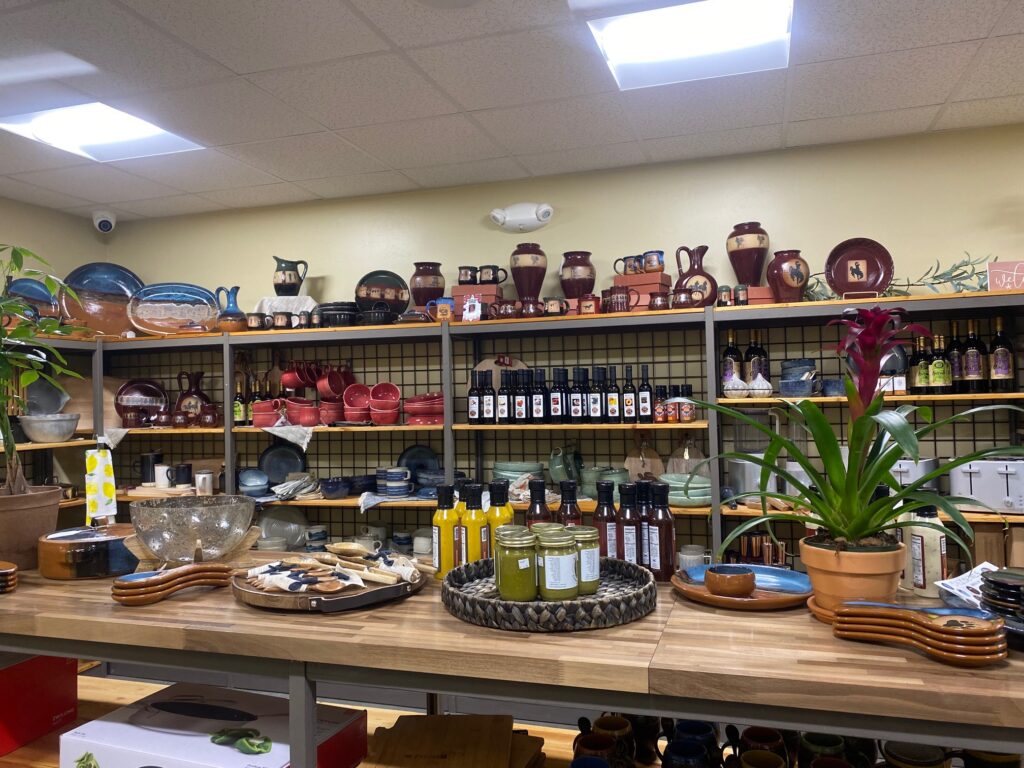
Transform Your Hardware Store with Seasonal Merchandising Magic As the seasons change, so should your store. Just like the big retailers who know how to turn everyday items into must-have treasures, your hardware store has the potential to inspire customers and drive sales by embracing the power of seasonal merchandising. The Power of Seasonal Merchandising Have you ever walked into a Crate and Barrel and found yourself mesmerized by a simple display of glassware? Somehow, they make a collection of glasses feel essential for your next holiday party or social gathering. That’s the magic of great merchandising—it takes ordinary products and presents them in a way that makes them irresistible. Now, imagine applying that same principle to your hardware store. What can you do to make your grills, tools, or seasonal decorations more enticing? When you transform your displays from functional to inspirational, you’re not just selling products; you’re selling experiences and dreams. Inspire Customers to Dream Merchandising isn’t just about making your store look nice—it’s about creating a space where customers can dream. When they see that beautifully arranged grill station with all the accessories laid out, they start to picture themselves hosting the perfect summer barbecue. When they walk past a holiday-themed endcap filled with festive lights, ornaments, and DIY decor, they imagine their home decked out for the season. These displays encourage customers to think beyond the immediate and envision how these products can enhance their lives. And while it might take a few visits before they pull the trigger on a bigger-ticket item, you’ll be top of mind when they’re ready to buy. It’s a long game, but one that pays off when you combine it with exceptional customer service and knowledgeable team members who can guide them from inspiration to purchase. Practical Tips for Seasonal Merchandising So, how do you make your store displays as captivating as those in high-end retailers? Here are a few tips: 1. Create Eye-Catching Displays: • Use endcaps and central aisles to feature seasonal items. • Group products in a way that tells a story—pair grills with barbecue tools, outdoor seating, and even some gourmet spices to create a complete outdoor living experience. For instance, place some fake steaks or veggies on the grill display to make it feel like a real cookout. • Incorporate color, lighting, and props to make the display visually appealing and relevant to the season. 2. Make It Feel Real: • If you have a housewares department, go beyond just stacking products. Show how they can be used. Display whiskey stones in a highball glass next to a bottle of whiskey. Pair cutting boards with some fake cheese and an empty wine bottle to create a cozy, ready-to-entertain vibe. • In your outdoor patio section, lay down some fake grass to create the feel of an outdoor oasis. Set the table with plates, glasses, and napkins to help customers picture their next al fresco dinner. 3. Demonstrate Products in Action: • Host in-store demonstrations to showcase products. Whether it’s grilling techniques, woodworking tools, or holiday decor, showing how products work in real life can inspire customers to buy. • Share the results—like a beautifully carved wooden chess piece created with a Dremel. These demonstrations stick with customers, making them more likely to return when they’re ready to make a purchase. 4. Rotate Displays Regularly: • Keep your store feeling fresh by rotating your displays with the seasons. As soon as one season ends, start preparing for the next. Customers will begin to look forward to seeing what’s new in your store each time they visit. 5. Highlight Impulse Buys and Gifts: • Create smaller displays near the checkout with seasonal impulse items or gift ideas. These are the products that customers didn’t know they needed until they saw them. Look to the Pros for Inspiration If you’re looking for ideas on how to elevate your merchandising game, take a cue from retailers known for their exceptional displays. Restoration Hardware and Pottery Barn are masters at creating stunning, aspirational displays that make customers want to recreate those looks in their own homes. Flipping through their catalogs or visiting their stores can provide you with inspiration on how to group products, use lighting, and create a mood that resonates with your customers. These retailers show how even the simplest items can be presented in a way that’s inviting and irresistible. The Long-Term Impact Great merchandising does more than just increase sales today—it builds a lasting impression. I still remember attending a Ladies’ Night event nearly 15 years ago, where a team member demonstrated the amazing things you could create with a Dremel. He carved wooden chess pieces and holiday reindeer, and I was inspired. Even today, I think about that Dremel and wonder if I could recreate those pieces myself. That’s the power of a well-executed display and a memorable in-store experience. The Bottom Line When you invest time in merchandising your hardware store for the seasons, you’re doing more than decorating—you’re creating an environment where customers can dream, be inspired, and ultimately, make a purchase. Combine that with the friendly, knowledgeable service that only a local store can offer, and you’ve got a recipe for success that the big-box stores can’t touch. So, as the seasons change, don’t just change your inventory—change your store. Inspire your customers with displays that speak to their needs and dreams, and watch as they turn those dreams into reality, right there in your aisles. If you found this post helpful, be sure to follow us on social for more, and share it with a friend who could use the advice! Thank you for reading! We hope this guide encourages you to see economic slowdowns as an opportunity to strengthen your marketing strategy. At HSME, we’re committed to supporting local hardware stores in navigating today’s challenges and opportunities, helping you connect with your community both online and in-store. If you have any questions or want to learn more about how

Transform Your Hardware Store with Seasonal Merchandising Magic Read More »

Stop Those Annoying Spam and Phishing Messages on Your Facebook Page! 

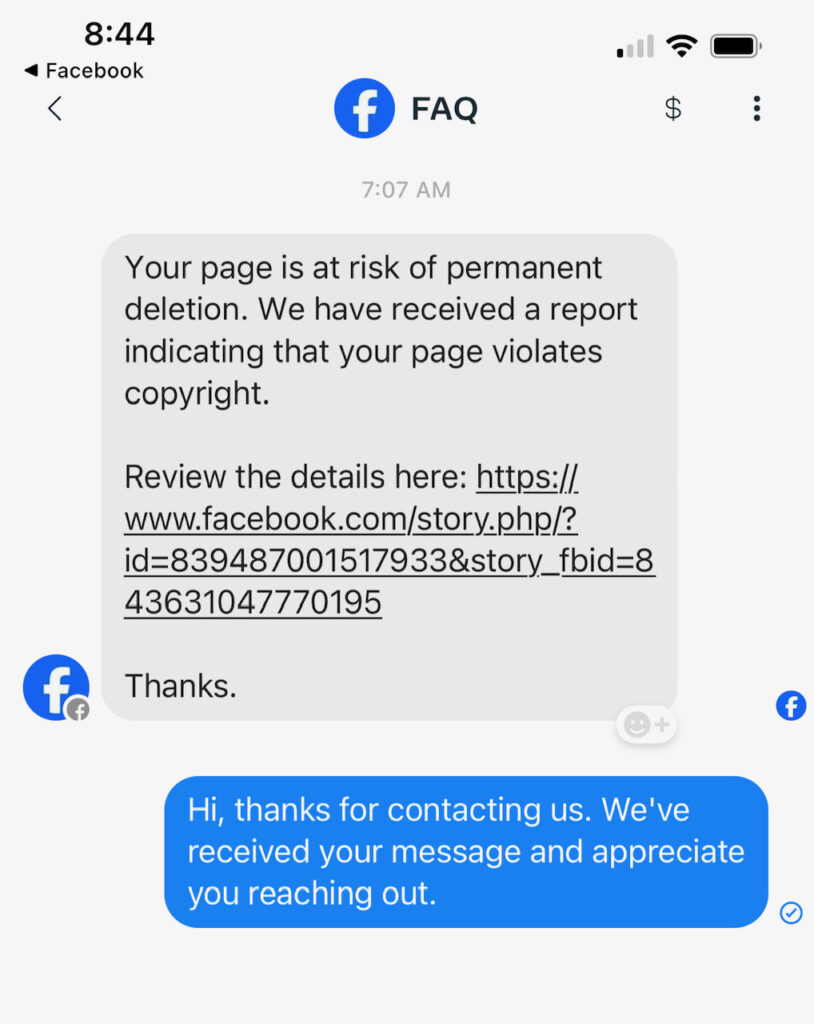
Stop Those Annoying Spam and Phishing Messages on Your Facebook Page!  If you’re like most hardware store owners, your Facebook page is a key part of your connection with the community. But in today’s digital world, it’s easy to become the target of annoying scam messages claiming your page will be unpublished due to supposed “copyright issues.” You’ve probably seen these messages pop up in your inbox or comments, and they’re as frustrating as they are alarming. The good news? Most of these messages are nothing more than phishing attempts trying to get you to click suspicious links. Don’t fall for them! Instead, here are a few simple steps you can take to protect your page, safeguard your business, and keep the conversations with your customers running smoothly. 1) Limit Your Page Visibility: If you’re only doing business in specific countries, limit your page’s visibility to just those regions. This way, you reduce exposure to unwanted messages or bots from areas where you don’t operate. For example, if your store is based in Wisconsin, you might want to make your page visible only to users in the United States. – Go to your Facebook Page Settings. – Click on General. – Under Country Restrictions, add “United States” (or your relevant country). – Hit Save Changes. Learn more about Country Restrictions here. 2) Ban Certain Terms on Your Page: Phishing messages often contain terms like “copyright” or “unpublished.” By banning these terms, you can prevent them from being posted on your page, reducing the clutter and spam in your comments and inbox. – Go to your Facebook Page Settings. – Click on General. – Under Page Moderation, add terms like “copyright,” “unpublished,” or other suspicious words. – Hit Save Changes. Learn how to manage Page Moderation here. 3) Check Your Page Health Properly: Phishing messages often claim your page has violated rules, but the truth is, you can easily check your page’s actual health using Meta’s built-in tools. Always review your page’s status through the official channels to avoid falling for scams. – Go to your Facebook Page Settings. – Click on Quality in the left-hand menu. – Review your page’s status for any violations or issues. Check your Page Quality here. Whatever you do, don’t click on those suspicious links! Always verify information directly through Facebook’s settings. Following these steps should help you reduce spam messages and protect your Facebook page from common scams. Staying vigilant will keep your hardware store’s online presence secure, allowing you to focus on what really matters—serving your customers. Thank you for reading! We hope this post inspires you to see new opportunities to strengthen your marketing strategy. At HSME, we’re here to support local hardware stores in navigating today’s marketing challenges and helping you connect with your community, both online and in-store.  If you have any questions or want to learn more about how we can support your business, feel free to reach out to us in any one of our channels or send us a message. Don’t miss out on more tips and strategies—subscribe to our newsletter for the latest updates, or follow us on Facebook, Instagram or Linkedin for our more marketing tips and insights for hardware stores. What’s your biggest takeaway from today’s post? Share your thoughts in the comments below. We’d love to hear from you! About Renee C Gray and HSMERenee C Gray is the founder of Hardware Store Marketing Experts (HSME) with over 25 years of experience helping local hardware stores thrive in the digital age. Dedicated to bridging the gap between tradition and technology, Renee understands the unique challenges of small business owners and provides practical, authentic marketing solutions that resonate with your community.

Stop Those Annoying Spam and Phishing Messages on Your Facebook Page!  Read More »

Building Lasting Connections: The Power of Local Events at Your Hardware Store

Building Lasting Connections: The Power of Local Events at Your Hardware Store There’s something special about traditions—the kind you look forward to year after year. Whether it’s a family gathering, an annual neighborhood barbecue, or even that simple ritual of getting together with friends to watch the big game, these traditions are the glue that holds our communities together. Now, imagine bringing that same sense of connection and anticipation to your hardware store. That’s the power of local events. Why Local Events Matter In a world where big-box stores can often feel impersonal and overwhelming, your local hardware store has a unique opportunity to build emotional connections that go beyond just selling products. It’s not just about the nuts and bolts (literally); it’s about creating experiences that resonate with your customers on a deeper level. When you host local events, you’re doing more than just driving foot traffic—you’re laying the groundwork for traditions. These are the kind of events your customers mark on their calendars, talk about with their neighbors, and come back to year after year. And that’s something the big chains simply can’t replicate. Turning Events into Traditions Think about it—who do you keep traditions with? Friends and family. Traditions are special, even sacred in some cases. When your hardware store becomes part of your customers’ annual traditions, you’ve built something truly valuable. Consider events like an annual garage sale, your store’s anniversary sale, or even a “Ladies’ Night” that offers workshops or special discounts. When these events are done right, they become the talk of the town, something your customers look forward to as part of the season’s rhythm. They’re not just shopping—they’re participating in a tradition, and they’re doing it with you. Planning Your Yearly Events To really capitalize on this, we recommend holding at least three to four local events a year—ideally, one per quarter. Of course, the timing and type of event will depend on your local market and what resonates most with your customers. Maybe spring is perfect for a garden kickoff event, while fall lends itself to a home maintenance workshop. The key is to be consistent, so your customers know they can count on these events year after year. Making the Event Your Own So, how do you make these events uniquely yours? Start by thinking about what sets your store apart. Is it your deep roots in the community? Your knowledgeable staff? Your ability to offer personalized service? Whatever it is, let that shine through in your events. Maybe you could invite local experts to lead DIY workshops, or partner with other small businesses in your area to create a more robust community event. Perhaps you offer exclusive deals that can’t be found anywhere else, or create a fun, themed event that ties into a local holiday or tradition. The possibilities are endless, but the goal is the same: to create an experience that your customers can’t wait to repeat. The Takeaway Local events are more than just a marketing strategy—they’re a way to build relationships, foster loyalty, and become an integral part of your community. By turning these events into traditions, you create something that your customers will look forward to every year, strengthening the emotional connection they have with your store. And in the end, that’s a bond that no big-box retailer can break. So, what local events do you hold every year? How do you make them your own? Whatever you do, make sure it’s something special—something that keeps your customers coming back, year after year, as part of a tradition they wouldn’t dream of missing. Thank you for reading! We hope this post inspires you to see new opportunities to strengthen your marketing strategy. At HSME, we’re here to support local hardware stores in navigating today’s challenges and helping you connect with your community, both online and in-store.  If you have any questions or want to learn more about how we can support your business, feel free to reach out to us in any one of our channels or send us a message. Don’t miss out on more tips and strategies—subscribe to our newsletter for the latest updates, or follow us on Facebook, Instagram or Linkedin for our more marketing tips and insights for hardware stores. What’s your biggest takeaway from today’s post? Share your thoughts in the comments below. We’d love to hear from you! About Renee C Gray and HSMERenee C Gray is the founder of Hardware Store Marketing Experts (HSME) with over 25 years of experience helping local hardware stores thrive in the digital age. Dedicated to bridging the gap between tradition and technology, Renee understands the unique challenges of small business owners and provides practical, authentic marketing solutions that resonate with your community.

Building Lasting Connections: The Power of Local Events at Your Hardware Store Read More »

Investing in Marketing During an Economic Slowdown: A Lesson from the Stock Market

Investing in Marketing During an Economic Slowdown: A Lesson from the Stock Market When the economy hits a bit of a slog, it’s easy to panic. We’ve all been there—stocks are down, consumer confidence is shaky, and the news isn’t exactly helping. The knee-jerk reaction? Cut back, hunker down, and ride out the storm. But if you’ve ever dabbled in the stock market, you know that’s not always the best approach. The savviest investors see a dip as an opportunity, not a disaster. And guess what? The same goes for your marketing strategy. The Temptation to Cut Back Let’s be honest—when the economy takes a downturn, the first instinct might be to slash the marketing budget. And for some, that might be the right call, but it’s not always the best move for everyone. Think of it like selling off your stocks the minute the market dips. Sure, it might save you a few bucks in the short term, but what about the long game? Just like the best investors, the best marketers play the long game. They understand that what looks like a rough patch could actually be the perfect time to invest. Spotting the Opportunities Before you make any drastic cuts, take a step back and review your marketing tactics. Are all your efforts performing as well as they should be? Or are there a few campaigns that are lagging behind? Instead of pulling the plug, maybe there’s room for a tweak here and there. Could you be more efficient with your marketing dollars? Just like rebalancing your investment portfolio, this is the time to assess and adjust. Banding Together: Marketing Coalitions Here’s a thought—what if you didn’t have to go it alone? Just like how investors pool resources in a mutual fund, you could create a marketing coalition with other small businesses in your shopping center. Picture it: a joint campaign that’s bigger, bolder, and reaches more customers than any one of you could on your own. Or how about teaming up with a neighboring hardware store to share the costs of a local ad campaign? You’d be surprised at how economies of scale can make your marketing dollars stretch further. The Long Game Pays Off Remember, marketing during a slowdown isn’t just about survival—it’s about setting yourself up for success when the economy bounces back. When the dust settles, those who continued to invest will be in a prime position to capture the market. So, while it might be tempting to cut back now, think about where you want to be when things turn around. A Friendly Word of Advice If you’re in it for the long haul, don’t shy away from marketing just because the economy’s taking a breather. Be smart, be strategic, and don’t hesitate to invest in opportunities that others might be too quick to dismiss. Your future self—and your bottom line—will be grateful. And hey, if nothing else, you’ll have a great story to share at the next neighborhood barbecue. “Remember when everyone else cut back, but I doubled down? Best decision I ever made.” Not only does it sound good, but it might just turn out to be true! Thank you for reading! We hope this guide encourages you to see economic slowdowns as an opportunity to strengthen your marketing strategy. At HSME, we’re dedicated to helping local hardware stores like yours shine both online and in-store, no matter the economic climate. If you have any questions or want to learn more about how we can support your business, feel free to reach out, call, text or email us. Don’t miss out on more tips and strategies—subscribe to our newsletter for the latest updates, or follow us on Facebook for daily insights. What’s your biggest takeaway from today’s post? Share your thoughts in the comments below. We’d love to hear from you! About Renee Gray and HSMERenee Gray is the founder of Hardware Store Marketing Experts (HSME) with over 25 years of experience helping local hardware stores thrive in the digital age. Dedicated to bridging the gap between tradition and technology, Renee understands the unique challenges of small business owners and provides practical, authentic marketing solutions that resonate with your community.

Investing in Marketing During an Economic Slowdown: A Lesson from the Stock Market Read More »

Scroll to Top